
The best place to source
seeds is your backyard.
the second best place is as local as possible.
Urban farming has been the buzzword for quite a few years now but in reality has more of a downtown vibe. Then there's the country where the “real” farms are, but in between is suburbia. Yards and lawns that can be used to fill in pockets of food deserts. New developments bulldozed and then never replaced with anything that creates biodiversity.
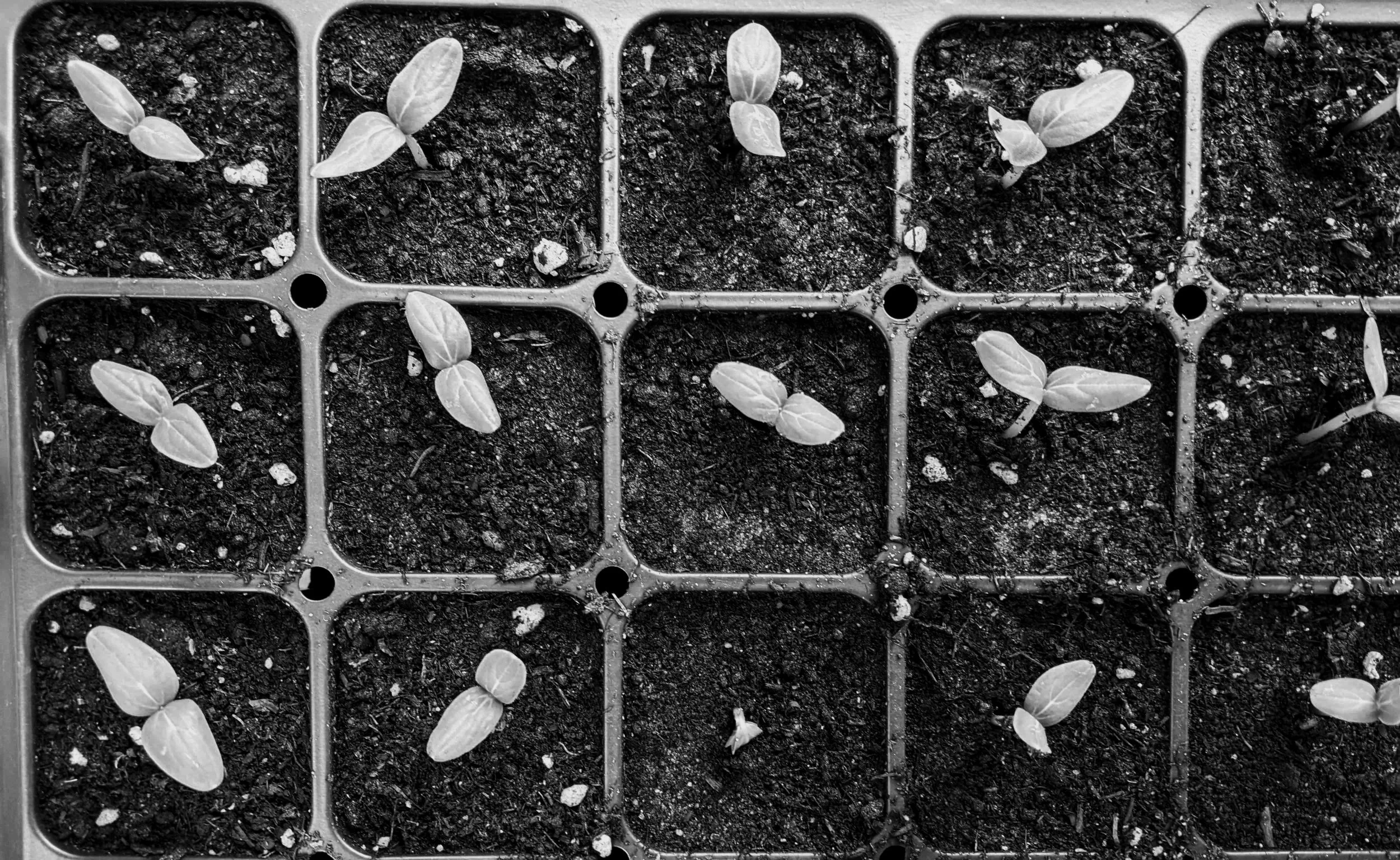
Combating climate change with agriculture means saving the seeds that thrived the year before. Saving seeds means that seed has the knowledge and genetics of how to survive the microclimate it grew in. large nursery and seed companies grow in ideal growing conditions for that variety, making it harder for seeds to thrive in a home or small farm environment.
This is where suburban gardens can thrive.
All it needs to do so is an empowerment to learn and an ability to connect with others face-to-face.
Through empowering
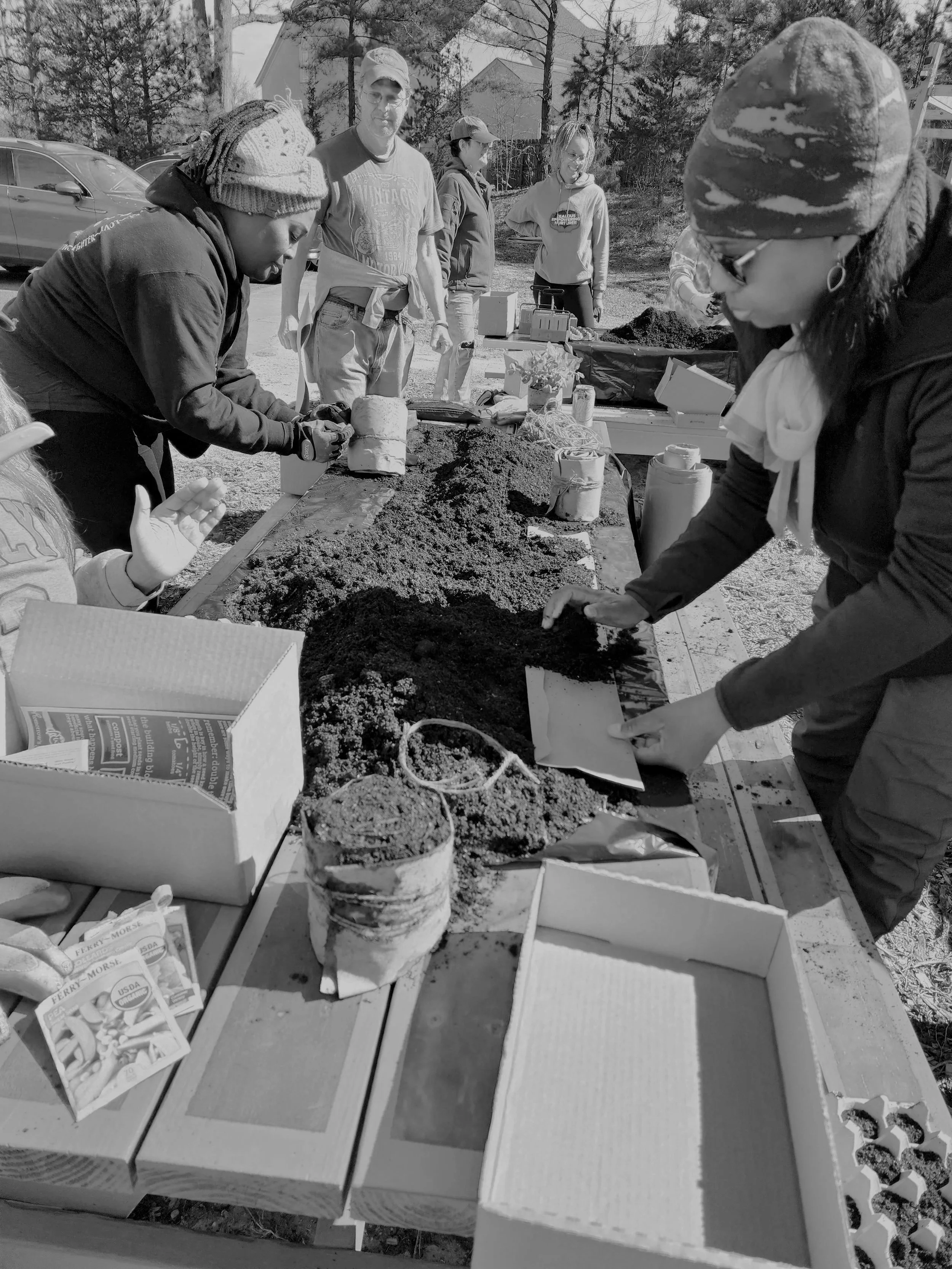
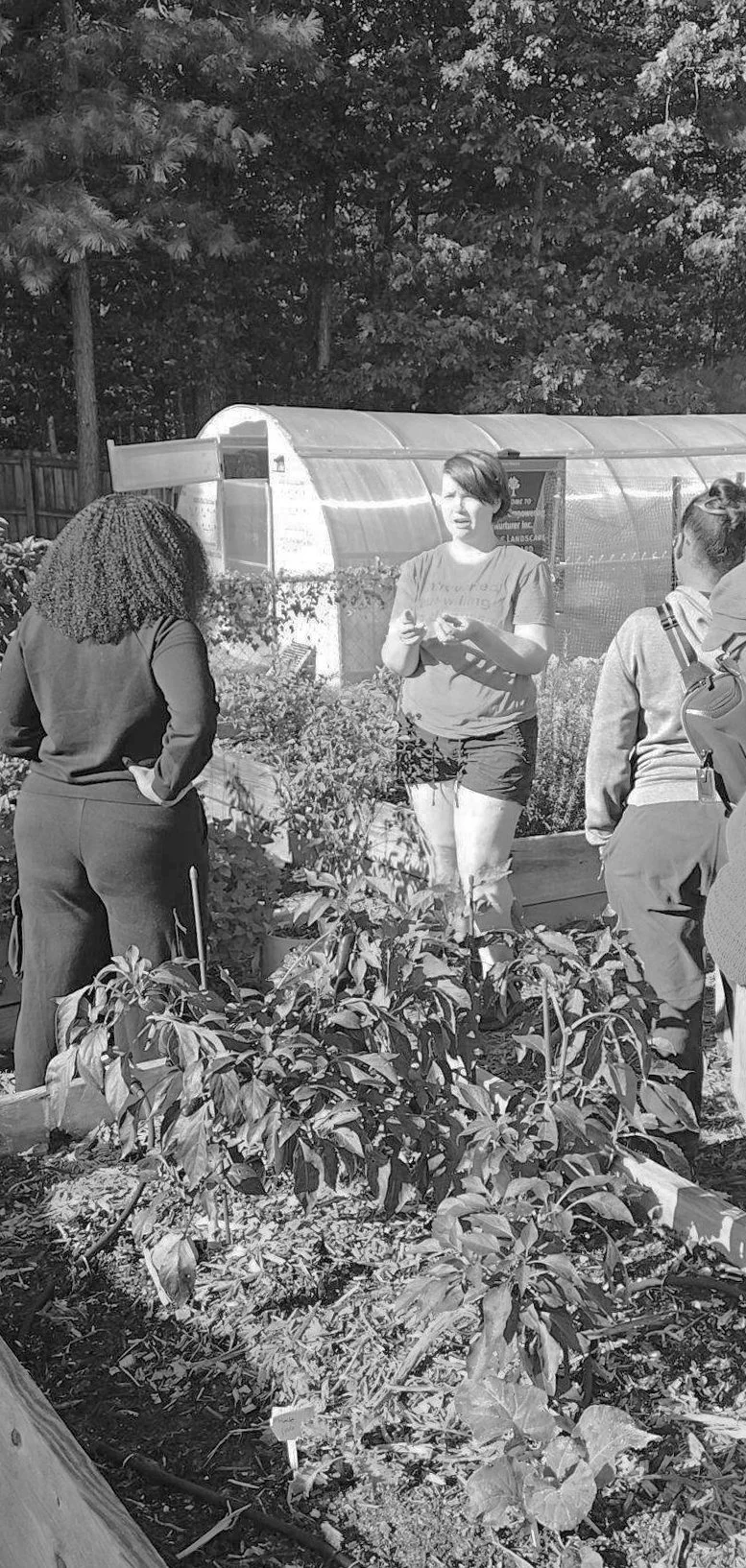
In 2025, Tomorrow’s Garden taught over 150 people in the city of Charlotte, North Carolina about how to expand their garden skills.
Class topics include seed starting with various methods from free to purchasing equipment, seed saving, composting, companion planting, and pest management.
Through sharing
Tomorrow’s Garden is the host of the first dedicated seed bank in Charlotte, North Carolina. The seed bank consisted of seeds donated from other seed companies as well as local growers and farmers. The seed bank has been utilized for local seed swaps.
These seeds are available to the public via seed swaps and online requests from hobby growers to large farmers.
Through growing
Tomorrow’s Garden operates a seed farm of approximately 1,000 square feet in Charlotte, North Carolina, dedicated to growing crops for seed saving. These seeds are then sold via our website or local farmers’ markets.
When seeds that are saved from the farm are abundant or have proven to not be popular in sales, a portion is donated to the seed bank.
the food for tomorrow is in the seeds of today.

From Seeds
Starting from seeds sourced locally as possible helps the plant adapt easily to the microclimate of your garden and help prevent spread of diseases and reoccurring pests.
to harvest
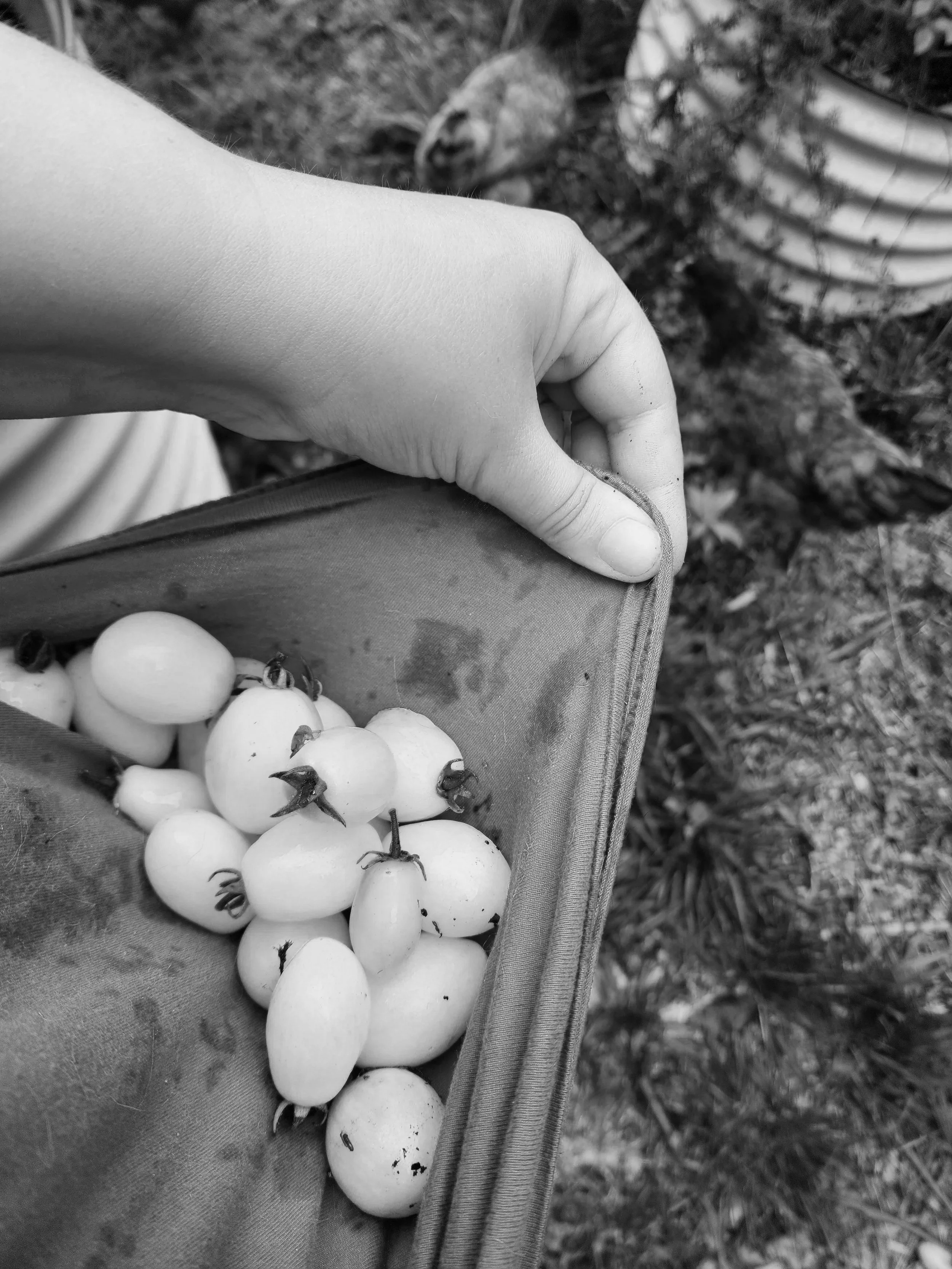
It is time to change how we perceive where food is grown. Remove the large-scale expectancy of a farm into the small-scale suburban garden all the while producing the same output.
to the community
Whether it's sharing knowledge, harvests, seeds, or anything in between, the more input from the community the more people thrive.
and back again.
Savings seeds for the next growing season not only helps with costs, but also with ensuring an even more bountiful harvest year after year, garden after garden.