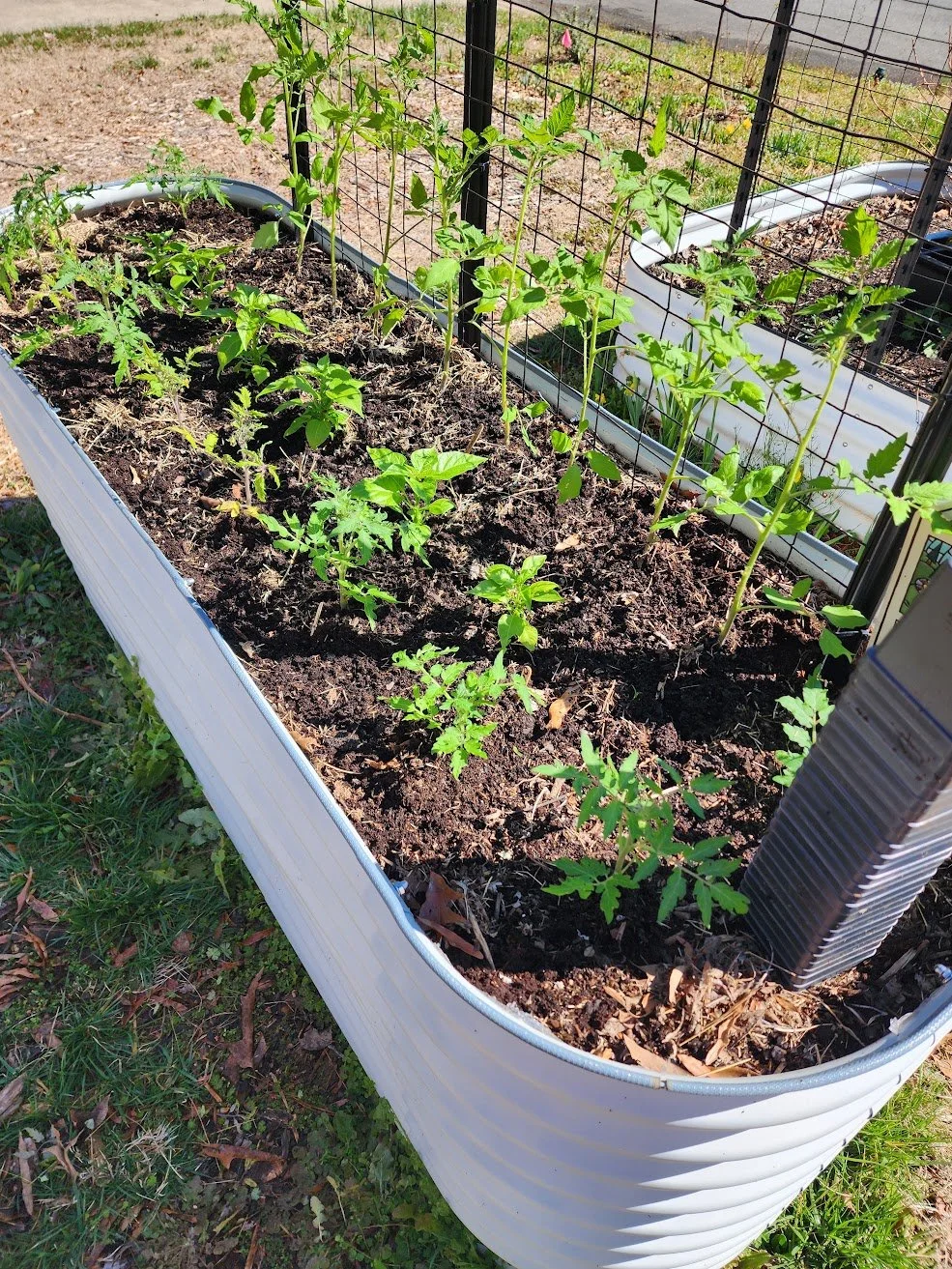

Ask Tomorrow:
Prepping for Winter
"Do you have tips for preparing an old raised bed for winter? Mine hasn’t been used in a couple of years and it has shrubs and stuff in it from what I can see."
I see a lot of abandoned raised beds in many peoples yards. Ones that they made in 2020 and haven't touched since. I even have some raised beds of my own I didn't use at all last year. The reason this question is amazing is because so many people think that no matter the age they can just patch up the sides, dust it off metaphorically, stick a plant in it... and then wonder what the heck is going on and why the plant dies.
it's because the soil is dead.
But fret not! Prepping any aged raised bed is a perfect weekend chore to help wind down not only the garden but also yourself and prepare for the colder months ahead.
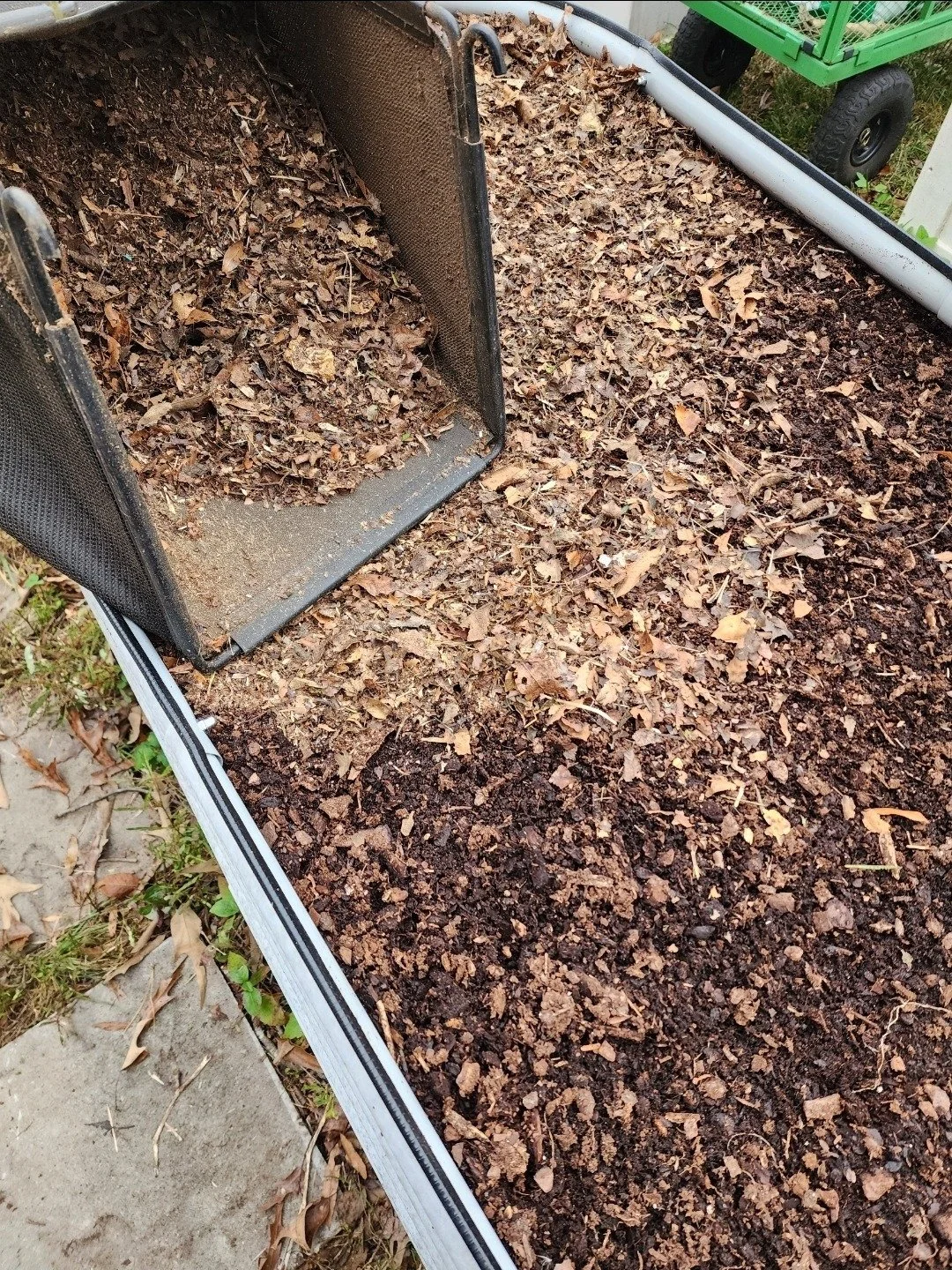
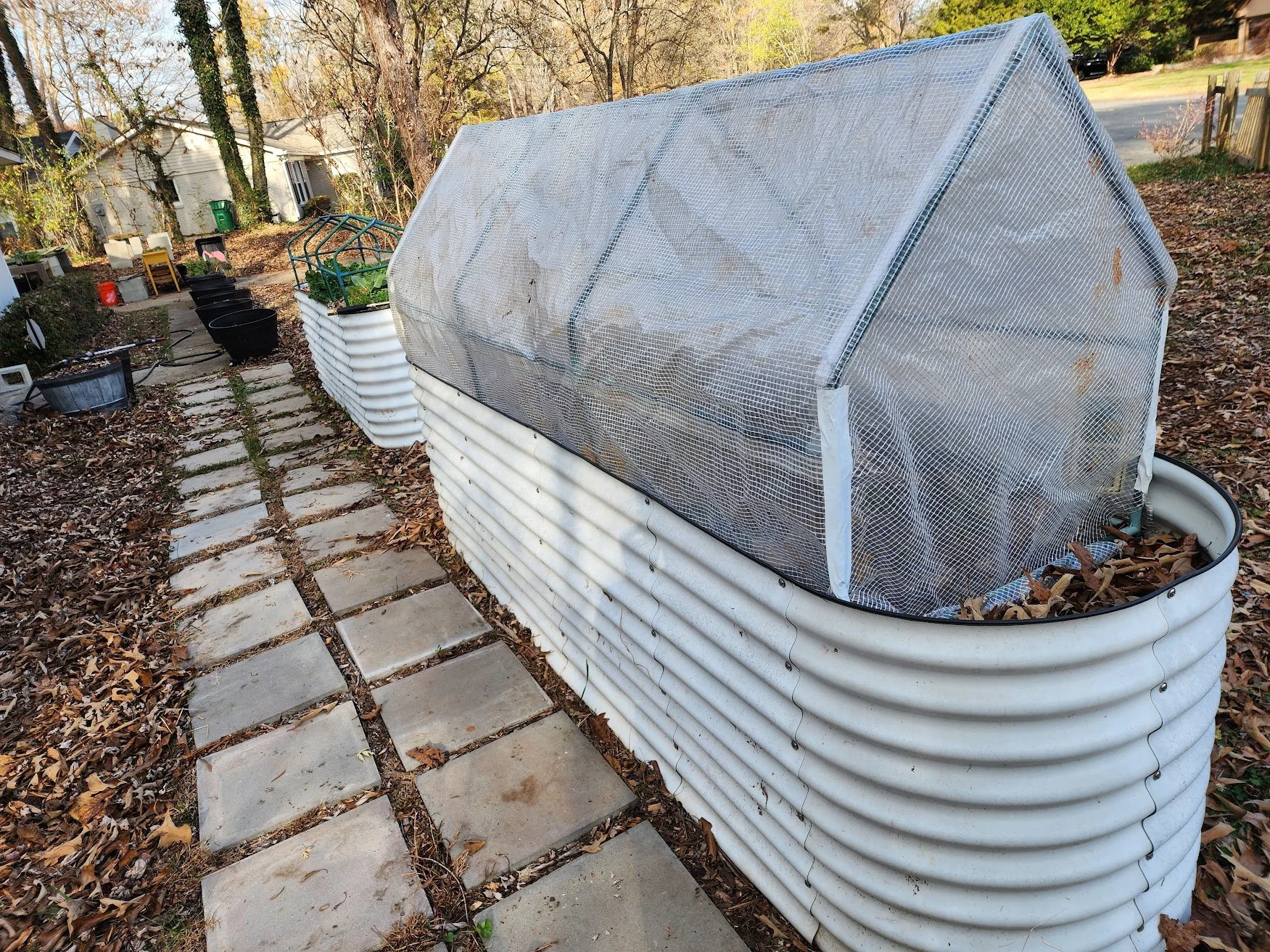
If you are letting a bed go dormant after working extra hard this past growing season, then preventing the soil from dying is key. Soil should never be left "uncovered" while in dormancy; typically you cover soil with mulch via leaves, wood chips, or a tarp to protect the mycelium and other soil guts and bacteria. If this step is skipped, or it's been quite a few years since you did this, then the first layer of soil gets too exposed to the elements, removing those crucial components that make it alive. The longer it's been, the thicker the dead layer is. If you do not have access to mulch, wood chips, or even plastic covers (they do add up in cost after awhile), then another option would be to add a cover crop mix to add to the raised bed. There are many options available in bulk and the best option depends on your region and what you had growing in there previously. For example, if you grew a lot of nightshades or leafy greens then you will need a cover crop that is key to bringing nitrogen back into the soil. All cover crops are designed to be low maintenance - especially compared to caring for an active, producing garden - so no need to be put off by thinking you’ll need to helicopter parent the cover crops.
If you’re reviving a dead raised bed then you need to resuscitate the soil! Compost is what restarts any soil ecosystem. The amount of adding compost depends on how deep the raised bed is as well as how long it has been since it was used. Clear away any large items - sticks, stones, bones... and put them all in a separate compost pile. Leave whatever shrubs or plants you'd like, or if you remove some then chop the hell outta them and throw them in the compost pile. We're going to be adding a faster compost to the raised bed and while these large pieces are amazing, we don't need them slowing down our resuscitation order. Loosen up the top layer very well, get that oxygen in there and everything nice and exposed. Water, and then level it out but dO NOT PAT IT DOWN!! Need that oxygen and water to stay.
Time to mow the leaves you were told by social media to leave it be! Keep the mowing to high traffic areas - majority of the hibernating bugs wouldn't make their home next to the highway system - AKA where you walk every day - so it's fine if a tiny bit gets mowed. Just leave the leaves around the back or edges of the property* and you won't get pitchforks thrown at you on Facebook. This is all done by ear - depending on how much leaves you have to mulch, the square footage you need to cover, and how long the bed has been dormant.
“How Does This Apply to Container Gardens?”
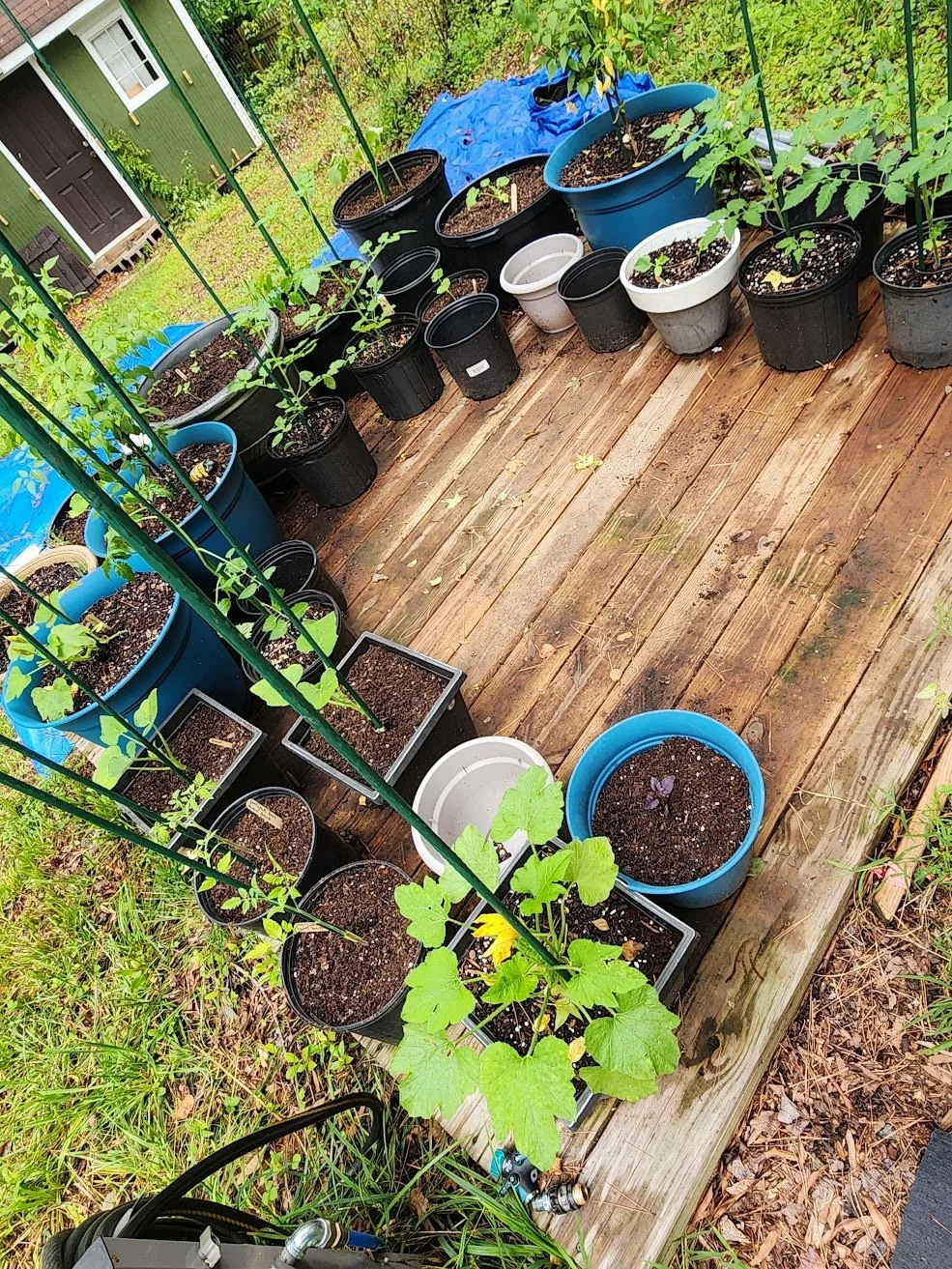
Container gardening, while the cheapest option for a beginner gardener, is actually one of the most difficult to maintain year after year without realizing that the soil is alive. Each pot in your garden is not connected to The Soil Network™ thus making fertilizers and amendments more and more necessary as time goes on.
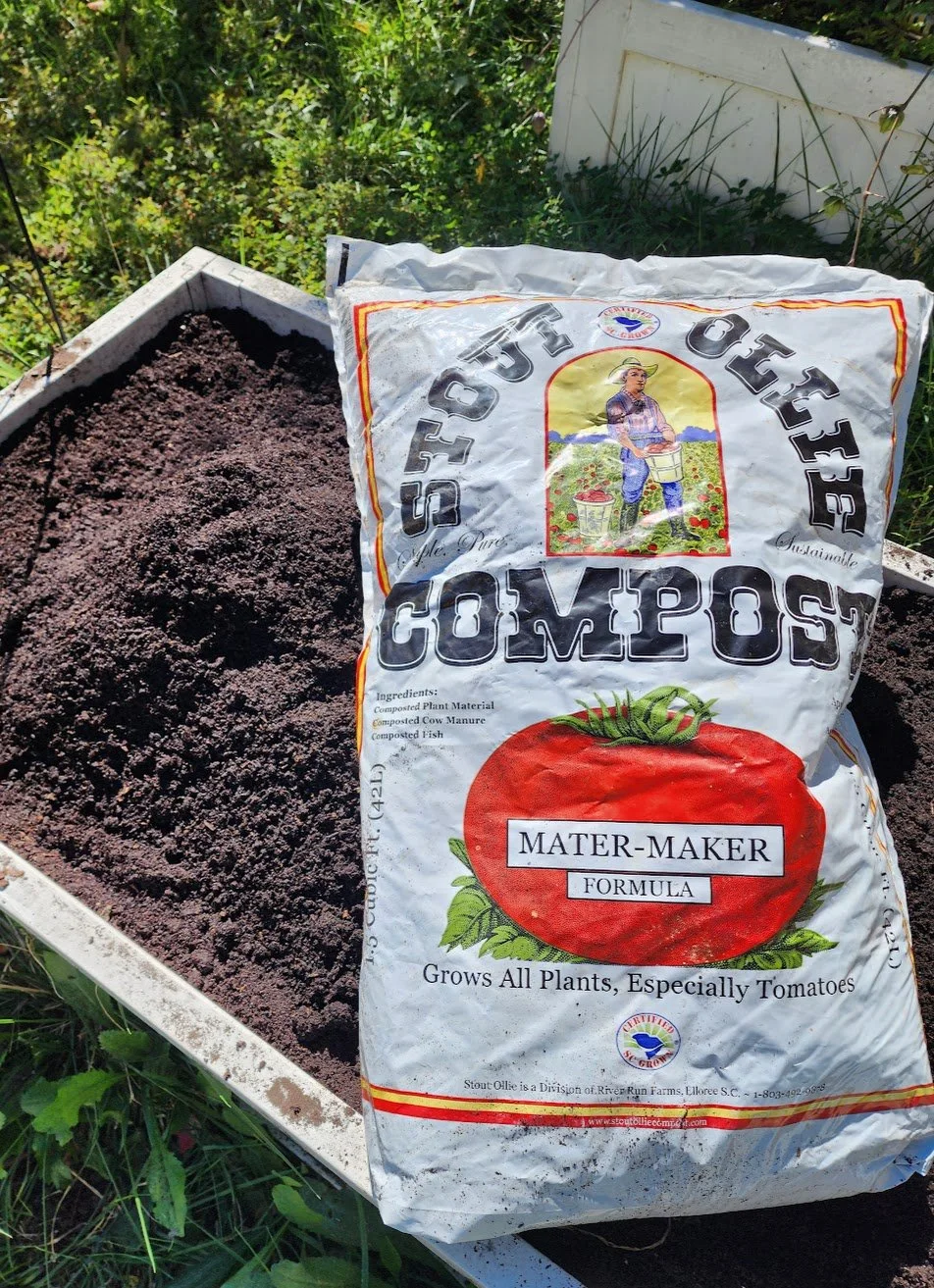
The same tips shared here for raised beds can still be applied to container gardens. The only real difference is keeping in mind that you will need to introduce living compost back into the containers at the beginning of spring. If you haven’t started a compost pile already then this is your sign to do so. Or if your to-do list is too long to start a compost pile then Tomorrow’s Garden in Charlotte, North Carolina offers Stout Ollie Compost you can order online and pick up at the farm.
You’ll be thankful come spring.
*If you don't have a yard with a lot of leaves, then either ask for a chip drop to drop off leaves or find a neighbor who only grows non-native 'too green to be real holy crap why do you do this' and offer to mow their lawn. Bugs won't hibernate where there is no food, either, so your neighbor who doesn’t even contribute to the local ecosystem won’t fix it in one season simply by “leaving the leaves,” you deserve the leaf mulch more than they do.
If you are reading this and it’s already in the middle of winter then no worries, there is a way to fast-track this: do all the above and then cover with a tarp. Opaque tarp if you don't care if what was there before grows again, clear top if you want to kill or sterilize any seeds from what was there before. I personally never use clear tarp... but mentioning it because I know some people would prefer no volunteer plants in the spring. The tarp keeps the moisture and as much heat as possible in and the mycelium and bacteria come to the surface to feed on all this new delicious compost. They don't like the sun and neither do I so I mean I can't blame them for wanting it dark.
Doing this work - either now or last minute - instead waiting until spring means less transplant shock for the transplant and less money spent trying fertilizers to keep the plant alive when the real issue is the soil needing to be alive.